

We spent the past year inside the methodology of ten of the world's leading junior tennis academies. Nadal's technology platforms. Ferrero's proprietary app. Mouratoglou's Progress Zone. Macci's parent framework. Three continents, three tiers of program scale, one question underneath all of it: why does a sport with world-class coaching still lose a quarter of its players every year? The answer isn't technical. It's structural.
The problem isn't on the court
USTA research points to the same root cause academy directors keep describing in different words: the decision to leave rarely starts with a forehand. It starts in the space between sessions - in the anxiety a parent feels after a hard loss, in the pressure a player absorbs from a family that can't see what the coach sees, in the slow erosion of confidence that happens when nobody in the room shares the same picture of how development is actually going.
Seventy percent of junior athletes quit organized sport before age 13. The average dropout age is now 10.5. Tennis loses players at the same rate as every other youth sport, for the same reason: pressure without infrastructure to process it isn't a motivator. It's an exit ramp.
The best are already building toward it
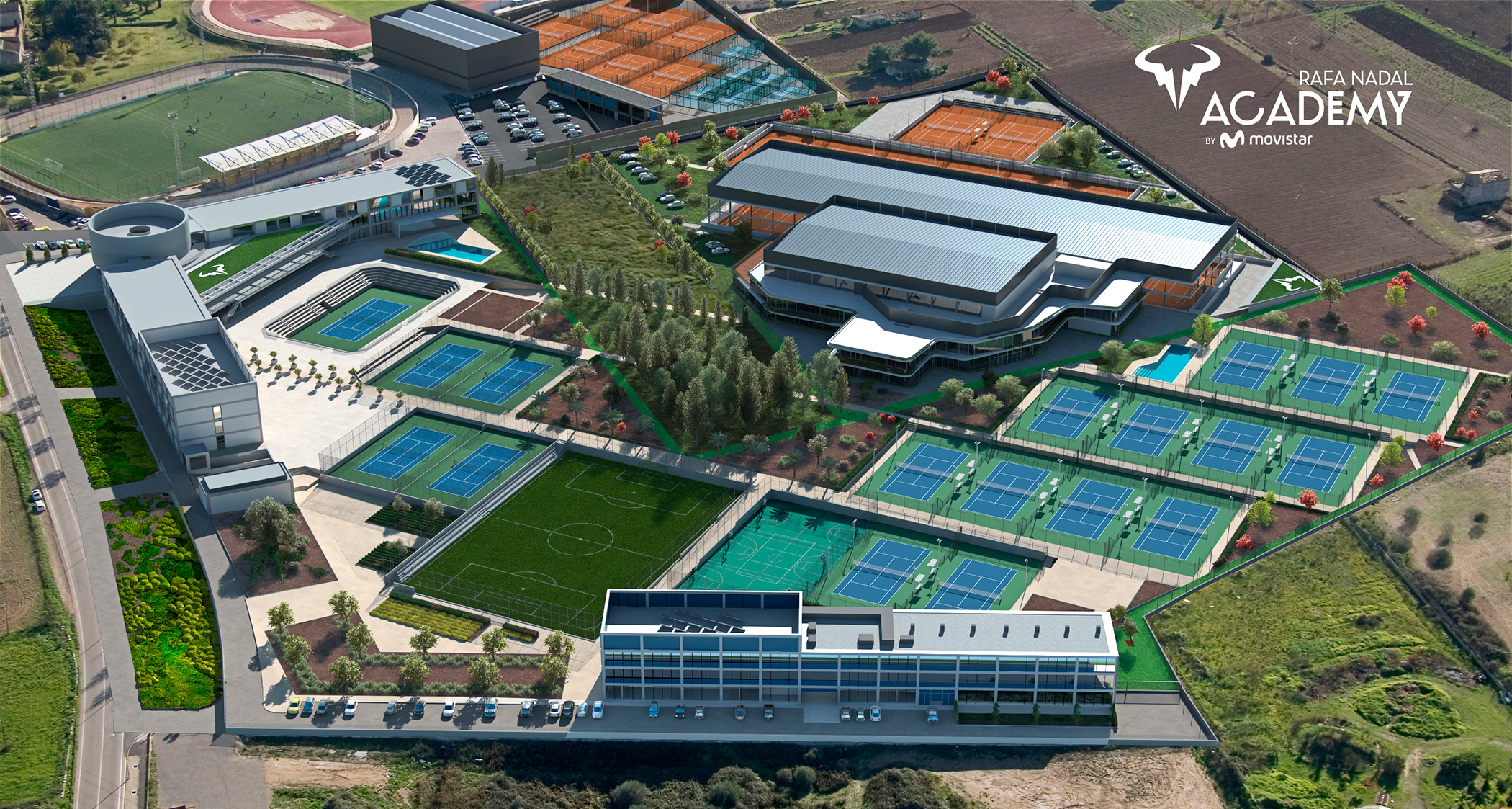
Every academy in this benchmark is moving in the right direction, and some of what they've built is genuinely remarkable. Rafa Nadal Academy has partnered with Telefónica to track sleep, recovery, and physical readiness on every player, alongside a proprietary metaverse campus that keeps families connected from anywhere in the world. Ferrero built its own gamified mental training platform rather than settle for what already existed. Piatti runs a 2:1 coaching ratio that delivers the most granular development picture in the sport. Good to Great screens for psychological readiness before a player is even admitted.
The intent is real. The infrastructure is catching up.
Five gaps, every tier, no exceptions
Strip away the differences in scale and philosophy, and the same five gaps show up at all ten academies.
Daily reinforcement. Skills fade within 72 hours without spaced repetition. The on-court work is real; the 23 hours between sessions are structurally empty.
On-court transfer. Mental skills get taught but rarely validated under live pressure, in a way anyone can point to and say: that's proof it transferred.
Parent development. Some academies send periodic reports. None have a structured, weekly signal that makes a player's development visible to the family paying for it.
Player voice. Reporting flows from coach to parent. The player - the person actually doing the developing - has no seat in that loop.
Value visibility. The work is genuinely excellent at every academy in this report. Almost none of it is demonstrable to the people funding it.
None of this is a coaching problem. Across every tier, from the academies charging $75,000 a year to the boutiques built entirely around one founder's presence, the pattern repeats: real development work, invisible to the family investing in it.
What parents actually want
It isn't more information. It's a credible, consistent signal that what they're paying for is working - delivered often enough to hold their confidence between sessions. Right now, most parents fill that gap with the only data they have: match results. And match results, on their own, tell a family almost nothing about whether their child is actually developing.
As Lisa Stone of Parenting Aces put it in one of our interviews for this report: many academies are better at marketing than they are at making development visible - and families don't find that out until months, sometimes years, in.
“The hardest thing to manage is not the schedule or the results. It is the emotional system parents bring with them. You cannot put that in a report.”
Iñaki Etxegia, CEO, Ferrero Tennis Academy
Where this goes next
Four independent forces - curriculum, engagement, commercial pressure, and infrastructure - are converging on the same need: a connected layer that links what the player experiences, what the coach sees, and what the parent understands, every week, automatically. Nobody has built it at scale yet. The academies that do first will set the standard the rest of the industry spends the next decade catching up to.
“The academies that will stand out in the future will be the ones that use technology to make development more visible to families, extend engagement beyond the court, and build stronger long-term retention ecosystems - rather than simply delivering coaching sessions.”
Philippe Azar, Owner & Founder, Tennis Hackers
We built Future Stars to close exactly that gap - the daily layer for players, the squad intelligence for coaches, the Friday report for parents, all running under the academy's own brand. It's the mechanism behind a lot of what's in this report.

“With Future Stars the parents finally see all the great work we are doing at the academy so we are more aligned with our goals.”
Tamas Bogyo, Academy Director, Nexon Academy, Hungary
The full benchmark - all ten academies, the research behind each finding, and what separates the programs already closing this gap from the ones still working on it - is available to download.